Category Comparison
AI Photo Booth vs Mirror Booth — Which Is Better for Your Business?
Mirror booths brought theatrical glamour to events. AI photo booths are rewriting what a photo booth can do. Here is how they compare — and which one makes more sense for your next investment.
What Each Product Actually Does
What Is an AI Photo Booth?
An AI photo booth captures a standard portrait and uses generative artificial intelligence to completely reimagine the scene. The guest selects from a library of 200+ transformation styles — think Renaissance paintings, fantasy landscapes, comic book art, cinematic scenes, and seasonal themes — and the AI produces an entirely new image that preserves the guest's likeness while placing them in a dramatically different world.
This is not a filter or overlay. The AI generates original artwork based on the guest's photo. Two guests choosing the same effect will receive different results because the AI adapts to each person's features, pose, and expression. The output is a high-resolution image suitable for instant dye-sublimation printing and digital sharing.
- Full scene reimagining — not just overlays
- Every output is unique to the guest
- 200+ effects with continuous OTA updates
What Is a Mirror Booth?
A mirror booth (sometimes called a "magic mirror") is a full-length mirror-style touchscreen housed in an elegant frame. Guests stand in front of it as they would a regular mirror, and the screen displays animations, prompts, and decorative overlays on top of their live reflection. When they tap the mirror or follow the on-screen instructions, it captures a photo and applies pre-designed borders, text, and frames.
The theatrical element is the main draw. The mirror "comes to life" with animations that appear around the guest's reflection — sparkles, text prompts, countdowns — creating a sense of magic. The final output is a well-framed photograph with decorative elements, similar to what you would get from a traditional photo booth but with a more polished, interactive presentation. Mirror booths typically cost between $3,000 and $8,000.
- Full-length mirror touchscreen display
- Animated on-screen prompts and borders
- Popular at weddings for full-body glamour shots
Side-by-Side Comparison
The differences between an AI photo booth and a mirror booth go deeper than you might expect. They use fundamentally different technology to create fundamentally different guest experiences.
| Feature | AI Photo Booth (Pikcha) | Mirror Booth |
|---|---|---|
| Technology | Generative AI — reimagines the entire scene | Pre-made overlays, borders, and animations |
| Photo Type | AI-transformed portraits in 200+ styles | Bordered mirror photos with decorative text |
| Effects Library | 200+ AI effects, growing with OTA updates | 20–50 static overlay templates |
| Revenue Potential | Higher per-session value (unique AI output) | Standard photo booth pricing |
| Footprint | 6.3 sq ft (compact kiosk) | 10–15 sq ft (full-length mirror + enclosure) |
| Durability | Commercial-grade metal enclosure | Glass/mirror surface — fragile, scratch-prone |
| Maintenance | Software updates over the air | Physical cleaning, calibration, mirror replacement |
| Guest Experience | Transformative AI art — every photo unique | Glamorous mirror selfie with frames and props |
| Display | 21.5" commercial touchscreen | Full-length mirror touchscreen (50–65") |
| Staffing | Fully self-service | Often needs attendant for prompts and props |
When to Choose Each
Choose an AI Photo Booth When...
- You want repeat visits — AI effects never get stale thanks to continuous updates
- Brand activations need differentiation that no other booth can match
- Your venue operates daily and needs a self-service, unstaffed solution
- Compact footprint matters — 6.3 sq ft fits where mirror booths cannot
- You want the highest per-session revenue potential with unique AI output
- Entertainment centers, malls, and hotels need a long-term attraction
- Tech-forward events where guests expect innovation, not tradition
Choose a Mirror Booth When...
- Full-body shots are essential — wedding attire, costumes, formal wear
- The theatrical "magic mirror" presentation is part of the event theme
- Traditional weddings where guests expect glamour and elegance over technology
- Your budget falls in the $3,000–$8,000 range and you do not need AI
- Props and physical accessories are a key part of the guest experience
- Glamour-focused events where a polished mirror selfie is the desired output
- You already have a successful mirror booth business and want to keep the brand consistent
Can You Offer Both?
Absolutely — and offering both is one of the smartest strategies for event operators and venues with the space and budget to support it. AI photo booths and mirror booths serve completely different guest motivations, so they complement rather than compete.
The mirror booth appeals to guests who want to see themselves looking their best. They step up, admire their reflection, strike a pose, and walk away with a polished photo that shows off their outfit. It is a vanity-driven experience, and it works beautifully at weddings, galas, and formal events.
The AI photo booth appeals to guests who want to be transformed into something unexpected. They choose an effect — cyberpunk warrior, Monet painting, superhero — and see themselves reimagined in a way that feels like magic. It is a creativity-driven experience that generates social sharing because the output is so surprising.
At events where both are available, operators report that most guests try both — effectively doubling engagement and revenue from the same attendee pool. The key is positioning them apart so each feels like a distinct experience rather than a choice between two booths.
Revenue Comparison: AI Booth vs Mirror Booth
Revenue potential is one of the most important factors when choosing between an AI photo booth and a mirror booth, and this is where the business case diverges sharply.
Mirror booths charge standard photo booth session rates. The output — a nicely framed photo with decorative borders — is enjoyable but familiar. Guests know what to expect, and pricing reflects that. Most operators charge a flat fee for unlimited sessions during an event, or a modest per-session price at permanent venues. The revenue ceiling is tied to the physical space and event duration.
AI photo booths can charge a premium because the output is genuinely unique. When a guest sees their portrait transformed into a work of art, they perceive it as more valuable than a standard photo — because it is. No two AI transformations are identical, even when guests choose the same effect. This perceived uniqueness allows operators to price sessions higher, and guests are more willing to pay because they cannot replicate the result on their phone.
For permanent venues, the revenue gap widens further. Mirror booths see declining session volume over time as regular visitors exhaust the template options. AI booths maintain and often increase session volume because the effects library grows through over-the-air updates — guests who visited last month come back because there are new transformations to try. This creates a compounding revenue advantage that does not exist with mirror booth hardware.
The bottom line: mirror booths generate steady, predictable revenue. AI photo booths generate higher per-session revenue with better long-term retention. For operators focused on maximizing return on investment, the AI booth typically pays for itself faster.
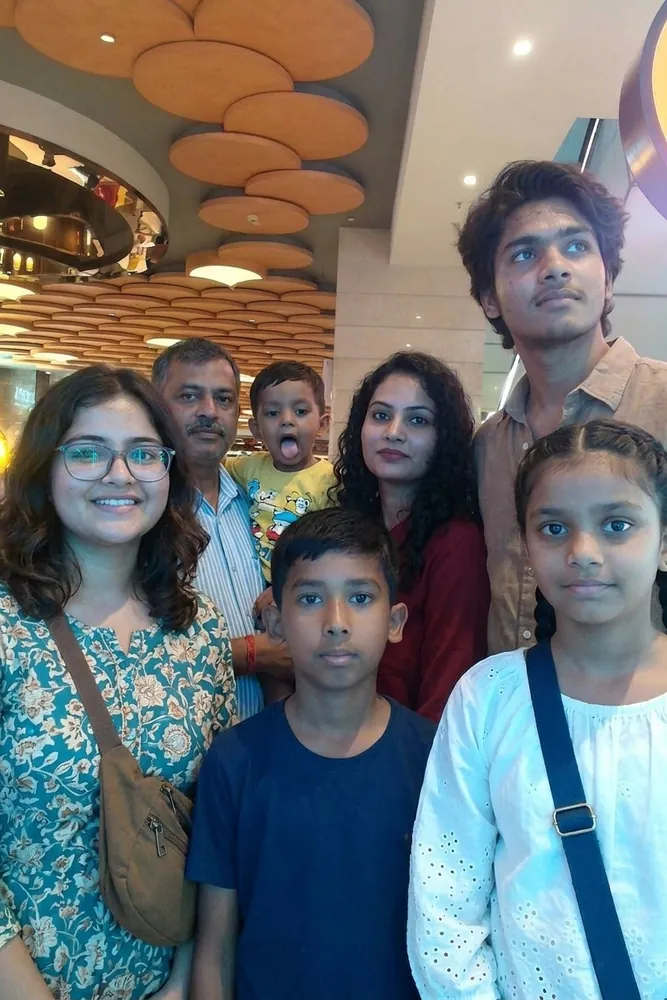
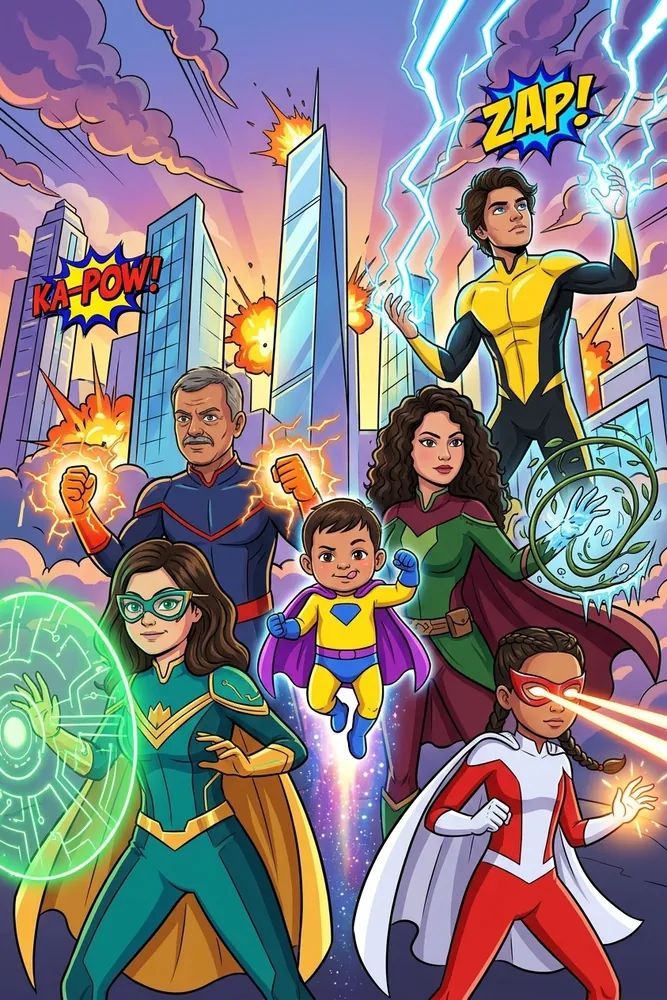
See the Difference: AI Transformation vs Mirror Photo
A mirror booth frames your photo with decorative borders and overlays. An AI photo booth reimagines the entire scene. Here are real Pikcha transformations that show the difference.
Before
After — AI Transformed
Frequently Asked Questions
Which makes more money — an AI photo booth or a mirror booth?
AI photo booths generally command higher per-session pricing because each output is truly unique. When a guest sees themselves reimagined as a Renaissance portrait or placed into a fantasy landscape, they perceive the result as a one-of-a-kind art piece worth paying for. Mirror booths charge standard photo booth rates because the output — a bordered, decorated photo — is familiar and similar across sessions. Over time, AI booths also benefit from repeat visits at permanent venues because the effects library keeps growing, while mirror booth templates tend to feel repetitive after a few uses.
Which is better for weddings?
It depends on the couple and the vibe they want. Mirror booths have a proven track record at weddings because of the "magic mirror" theatrical experience — guests love seeing animations appear on their reflection, and the full-length format is great for showing off wedding attire. AI photo booths bring a different kind of excitement — couples who want a modern, tech-forward wedding love giving guests AI-transformed portraits as keepsakes. For traditional weddings, mirror booths often win. For contemporary or destination weddings, AI booths create a more memorable, shareable experience.
Which is easier to maintain?
AI photo booths are significantly easier to maintain. Because they are software-defined, updates happen over the air — new effects, bug fixes, and feature improvements arrive automatically. Mirror booths have more physical maintenance demands: the mirror surface needs regular cleaning and can scratch or crack, the touch overlay requires calibration, props and accessories need restocking, and any mechanical components (like sliding drawers for prints) can wear out. For permanent installations, the maintenance difference is especially noticeable.
Can AI booths do full-body shots?
Most AI photo booths, including Pikcha, are optimized for upper-body and portrait shots because that is where AI transformation technology produces the best results. The AI needs a clear capture of the face and upper body to generate high-quality transformations. Mirror booths capture full-body shots by default because of the full-length mirror format. If full-body shots are a must-have for your use case, a mirror booth has the advantage. However, for the vast majority of photo booth applications, portrait-style AI transformations produce more engaging, shareable results.
Which has better repeat appeal?
AI photo booths win on repeat appeal by a wide margin. With 200+ effects that grow continuously through software updates, guests can return dozens of times and always have a new experience. Mirror booths rely on a fixed set of overlay templates — once guests have tried the main options, the novelty fades. This makes AI booths the stronger choice for permanent venue installations where the same guests return regularly, such as malls, entertainment centers, and hotels.
The Verdict
Mirror booths and AI photo booths are both legitimate, profitable products — but they are built for different eras of the photo booth industry. Mirror booths represent the peak of pre-AI photo booth technology: elegant, theatrical, and proven at weddings and formal events.
If your business is centered on weddings and formal events where full-body glamour shots matter most, a mirror booth remains a strong choice. The theatrical presentation, full-length format, and established reputation in the wedding market make it a safe investment.
If you want the technology that defines where the industry is heading — higher revenue per session, lower maintenance, continuous content updates, and an experience that genuinely surprises guests, an AI photo booth like Pikcha is the clear choice. The gap between AI-generated art and pre-made overlays will only widen as generative AI improves.
For operators who can invest in both, the combination of a mirror booth for glamour and an AI booth for creativity covers every guest motivation and maximizes total revenue per event.