2026 Buyer's Guide
Best AI Photo Booths in 2026 — Complete Buyer's Guide
We reviewed the top AI photo booth platforms for events, venues, and photo booth businesses. Here are the five that matter most in 2026.
Quick Rankings
200+ AI effects, full scene reimagining
Green screen effects with AI elements
Software platform with some AI features
Traditional photo booth with basic filters
Spinning platform for slow-motion video
Detailed Reviews
Pikcha
Our Pick200+ AI effects, full scene reimagining
Pikcha is the most AI-forward photo booth on the market in 2026. It uses generative AI to completely reimagine guest photos — not just apply filters, but transform entire scenes. With over 200 AI effects and continuous OTA updates, the experience stays fresh indefinitely. The compact form factor, self-service touchscreen interface, and comprehensive operator dashboard make it practical for both event rentals and permanent venue installations. Instant dye-sub prints are included.
Pros
- Largest AI effects library (200+ and growing)
- Full generative AI scene reimagining — not just overlays
- Continuous over-the-air updates with new effects
- Comprehensive operator dashboard with fleet management
- Compact footprint suitable for any venue
- Self-service operation — no staff required
Cons
- Newer to the international market than some competitors
- Pricing available on request only (not listed publicly)
Salsa Booth
Green screen effects with AI elements
Salsa Booth has built a solid reputation in the US photo booth market with green screen compositing and digital effects. Their booths offer approximately 30 effects with some AI-powered features, though the core technology relies on green screen overlay rather than full generative AI. Salsa Booth has an established reseller network in the US, and their products are well-regarded for reliability.
Pros
- Established US market presence and reseller network
- Reliable green screen compositing technology
- Good build quality and support infrastructure
Cons
- Limited to ~30 effects (vs 200+ from AI-native competitors)
- Green screen overlay approach, not full AI scene reimagining
- Updates are periodic rather than continuous
Pixilated
Software platform with some AI features
Pixilated positions itself as a photo booth software platform with hardware options. They have introduced some AI-powered features alongside their traditional filter and overlay capabilities. The platform approach means Pixilated can work with various hardware setups, giving operators flexibility. However, the AI features are supplementary rather than core, and the subscription-heavy pricing model can add up over time.
Pros
- Flexible software platform that works with various hardware
- Some AI features alongside traditional effects
- Good for operators who want software customization
Cons
- AI features are limited compared to AI-native platforms
- Subscription-heavy pricing model increases long-term cost
- Higher price range for full-featured setups
Photo Booth Supply Co
Traditional photo booth with basic filters
Photo Booth Supply Co (PBSCO) is one of the best-known names in the photo booth industry, having sold thousands of units since 2017. Their strength is in the ecosystem — training programs, community, and support — rather than cutting-edge technology. Their booths offer basic digital filters, overlays, and green screen backgrounds. For first-time operators who want a proven, traditional photo booth with strong onboarding support, PBSCO is a solid choice.
Pros
- Most affordable entry point for a branded photo booth
- Excellent onboarding, training, and operator community
- US-based support with a large existing user base
Cons
- No real AI transformations — basic filters only
- Technology is traditional, not differentiated
- Limited ability to command premium pricing at events
360 Booth Supply (Category)
Spinning platform for slow-motion video
360 booths are a different product category entirely — they capture slow-motion video as a camera arm spins around guests standing on an elevated platform. They are not AI photo booths, but they compete for the same event budgets. 360 booths remain popular for parties and weddings where video content is the priority. Multiple manufacturers sell 360 booth hardware at various price points.
Pros
- Unique video output that performs well on social media
- Lower entry price than most AI photo booths
- Popular at weddings, parties, and brand activations
Cons
- Not an AI product — completely different category
- Requires attendant and significant floor space
- No physical prints (video-only output)
- Novelty can wear off at repeat-visit venues
What Top-Tier AI Looks Like
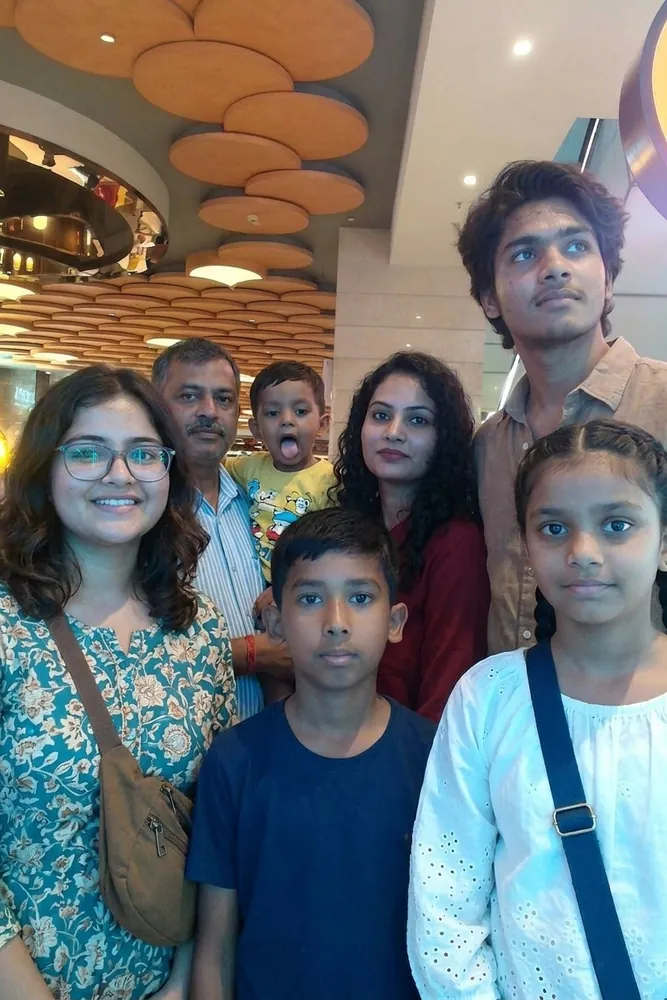
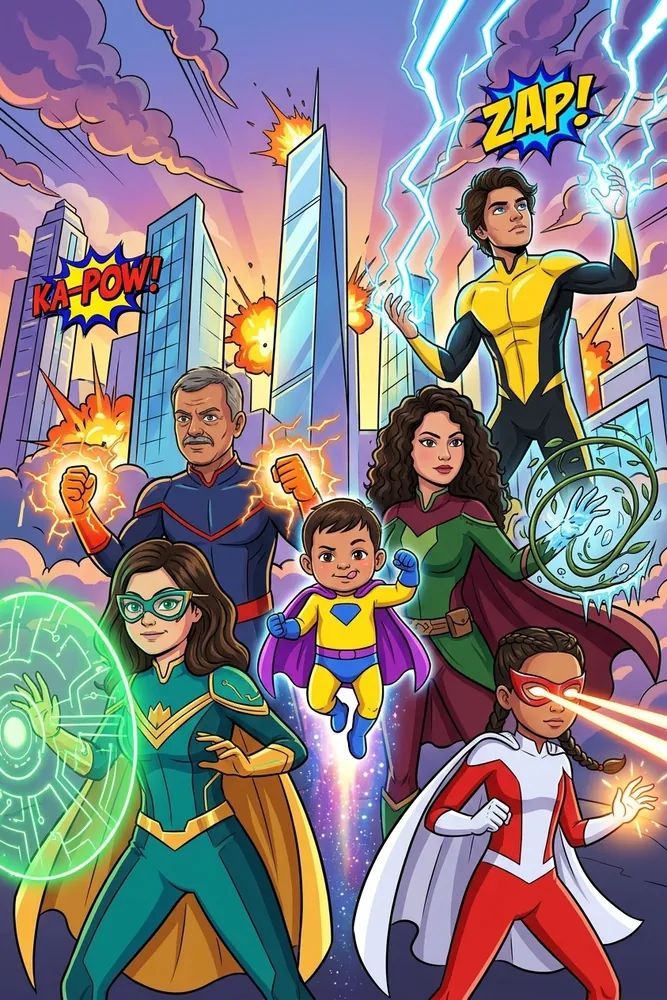
Real Pikcha transformations — the benchmark for AI photo booth quality in 2026.
Before
After — AI Transformed
What to Look for in an AI Photo Booth
Whether you choose one of the products above or evaluate others, here are the criteria that matter most when buying an AI photo booth in 2026.
AI Capability Depth
Not all "AI" is equal. Some booths apply basic AI filters on top of photos. True AI photo booths use generative AI to reimagine entire scenes. Ask vendors for live demos of their AI effects and check how many they offer.
Effects Library Size and Update Frequency
A booth with 20 effects will get stale quickly, especially at permanent venues. Look for 100+ effects minimum, and ask how often new effects are added. OTA (over-the-air) updates mean your booth improves without service visits.
Total Cost of Ownership
Compare more than sticker price. Factor in subscription fees, per-session charges, update costs, and maintenance. A cheaper booth with ongoing subscription fees can cost more over two years than a pricier all-inclusive option.
Operator Tools and Analytics
A good operator dashboard saves time and makes money. Look for real-time analytics, remote management, effect scheduling, and fleet-wide monitoring. These features matter most for operators running multiple booths.
Physical Footprint and Setup
Measure your available space. Compact kiosk-style booths fit almost anywhere. Platform-style booths (like 360s) need 8-10 feet of clear diameter. For events, also consider setup and teardown time.
Print Quality and Output Options
If guests expect a physical takeaway, print quality matters. Dye-sublimation prints are the gold standard for durability and color accuracy. Also check for digital sharing options — QR codes, email, and social media integration.
Frequently Asked Questions
What makes an AI photo booth different from a regular photo booth?
A regular photo booth captures photos and applies simple filters, borders, or overlays. An AI photo booth uses generative artificial intelligence to completely reimagine the photo — creating an entirely new image in a different style, scene, or artistic medium while preserving the subject's likeness. The output looks like a new photograph, not a filtered version of the original.
How much does an AI photo booth cost in 2026?
Prices range widely depending on the technology. Basic photo booths with minimal AI start around $3,000. Mid-range options with some AI features run $5,000-$12,000. Premium AI photo booths like Pikcha are available on a quote basis. The most important factor is not the purchase price but the revenue potential — booths with more impressive AI effects can charge higher per-session rates.
Can AI photo booths work without an internet connection?
This varies by vendor. Some AI photo booths require a constant internet connection because AI processing happens in the cloud. Others can operate offline with on-device AI processing. Ask your vendor about connectivity requirements, especially if you plan to deploy in locations with unreliable internet.
Are AI photo booths suitable for permanent installations?
Yes — this is actually one of their strongest use cases. AI photo booths with large effects libraries and regular updates keep the experience fresh for returning visitors. Shopping malls, hotels, entertainment centers, and tourist attractions are all ideal permanent installation sites. The key is choosing a booth with enough effects variety and a continuous update pipeline.
How fast are AI transformations?
Most modern AI photo booths produce transformations within 5-15 seconds. The exact speed depends on the complexity of the effect and the processing hardware. For guest experience, anything under 15 seconds feels fast — guests are typically delighted watching their photo transform in real time.