Photo Booth Comparison
Pikcha vs Snapbar — AI Photo Booth Comparison
Own the hardware or subscribe to a service? Two fundamentally different approaches to AI-powered photo experiences.
Overview
Pikcha is a hardware product. It is a purpose-designed AI photo booth kiosk with a 21.5-inch touchscreen, integrated dye-sublimation printer, 200+ built-in AI transformation effects, and a complete operator dashboard. You buy the hardware, you own it, and you operate it wherever and however you want. There are no per-event fees, no service contracts required, and it works fully offline. Pikcha serves photo booth operators, venues, entertainment centers, and event companies across the market spectrum — from small businesses to enterprise deployments.
Snapbar is a software platform and managed service company. Based in the US, Snapbar has built a strong reputation with enterprise brands including Dell, Visa, and Paramount. They specialize in creating personalized AI photo experiences for brand activations and experiential marketing campaigns. Their platform uses quizzes, stories, and survey responses to generate customized AI outputs tailored to each campaign. Snapbar does not sell hardware — they provide the software platform, often manage the event end to end, and their business model is built around service fees per activation or subscription contracts.
This is not a straightforward product-vs-product comparison. It is a comparison of business models: owning a photo booth versus renting a photo experience service. The right choice depends entirely on how you plan to use AI photo technology in your business — and whether you want to be the operator or the client.
Feature-by-Feature Comparison
| Feature | Pikcha | Snapbar |
|---|---|---|
| Ownership Model | Buy hardware — you own it outright | Subscribe to platform / managed service |
| AI Capability | 200+ built-in generative AI effects | Custom AI per campaign (managed) |
| Hardware | Integrated commercial kiosk included | BYO hardware or rental through partner |
| Offline Capability | Full offline operation supported | Cloud-dependent platform |
| Per-Event Cost | None after purchase | Service fee per activation |
| Customization | Operator dashboard — self-service | Managed customization per campaign |
| Target Market | SMB to enterprise | Enterprise and Fortune 500 |
| Scalability | Buy additional units | Scale service contract |
| Brand Integration | Self-service branding tools | Deep custom brand activations |
| Track Record | Growing global presence | Trusted by Dell, Visa, Paramount |
Where Pikcha Wins
Ownership Economics
When you buy a Pikcha kiosk, it is yours. There are no per-event service fees, no monthly platform subscriptions required to use your own hardware, and no surprise costs when you scale. Every event you run after the initial purchase adds to your return on investment. For operators running frequent events — weekly gigs, permanent venue installations, or multi-unit fleets — the ownership model is dramatically more cost-effective over time. An operator running just two events per week can recoup hardware costs within months, after which the per-event margin is almost entirely profit minus consumables.
No Recurring Service Fees
Snapbar's business model is built on service revenue — every activation costs money. This makes perfect sense for brands running occasional high-profile campaigns, but it becomes expensive for anyone operating at volume. Pikcha flips this model entirely. After purchasing the hardware, your ongoing costs are just print media and optional accessories. The AI effects, software updates, and operator dashboard are included. For a photo booth business where margin matters, eliminating recurring platform fees changes the entire financial picture.
Works Anywhere — Even Offline
Pikcha operates fully offline. The AI processing, photo capture, effect transformation, printing, and guest interaction all function without an internet connection. This is not a minor detail — it is a critical operational advantage. Hotel ballrooms, convention center halls, outdoor festivals, cruise ships, and remote corporate retreats often have unreliable or nonexistent Wi-Fi. Snapbar is a cloud-based platform, which means if the internet goes down at your event, the experience stops. With Pikcha, you never have that vulnerability. The booth works in a basement, on a mountaintop, or in the middle of a field.
Operator Independence
With Pikcha, you control every aspect of your photo booth business. You choose which effects to offer, set your own pricing, configure payment options (Stripe, Square, tap-to-pay, or free-play), schedule events, and manage your fleet — all through a self-service operator dashboard. There is no middleman, no approval process, and no dependence on a service provider's availability. With Snapbar, the managed service model means they handle much of the configuration, which is convenient but also means you are dependent on their team for changes, scheduling, and support.
Where Snapbar Might Be Better
Snapbar has genuine strengths that matter for certain use cases.
Enterprise Brand Integrations
Snapbar has deep experience creating bespoke AI photo experiences for Fortune 500 brands. Their platform supports custom quiz-to-portrait pipelines, branded AI generation workflows, and campaign-specific personalization that goes beyond standard photo booth effects. If you are a brand manager at Dell or Visa running a one-off experiential marketing campaign with a six-figure budget, Snapbar has the track record and the team to deliver a fully custom experience built from scratch.
Fully Managed Service
Snapbar can handle everything — hardware setup, event staffing, live support, and post-event reporting. For brands that want to hand off the entire photo experience to a trusted partner and focus on their core event, this is valuable. You are paying for convenience and expertise, not just technology. If your organization does not have (or want) an internal team to operate photo booth hardware, the managed service model removes that burden entirely.
Deeper Per-Campaign Customization
Because Snapbar builds custom experiences per campaign, each activation can be entirely unique. They incorporate quizzes, narrative elements, and survey responses into the AI generation process, creating personalized outputs that tie directly into a brand's marketing message. Pikcha offers extensive customization through its dashboard, but it works within its library of 200+ effects. For campaigns that need a completely bespoke AI pipeline that does not exist as a standard effect, Snapbar's custom development capability is a genuine advantage.
Established Enterprise Track Record
Snapbar has publicly listed clients including Dell, Visa, Paramount, and other major enterprise brands. For procurement teams at large organizations that need vendor credentials and a proven track record with similar companies, this matters. Enterprise purchasing decisions often depend on references and case studies as much as product capabilities, and Snapbar has a longer list of Fortune 500 deployments to point to.
The Real Question: Own or Rent?
Strip away the brand names and feature lists, and the Pikcha-vs-Snapbar decision comes down to a philosophical question about your business: do you want to own your photo booth capability or rent it?
The ownership model (Pikcha) means higher upfront investment but dramatically lower ongoing costs. You control the hardware, the software configuration, the pricing, and the schedule. Every event after break-even is nearly pure profit. You build equity in physical assets. You can operate anywhere — with or without internet. And if you decide to sell the business, the hardware has resale value.
The service model (Snapbar) means lower or zero upfront investment but recurring costs per activation. You get access to a platform and a team of experts who handle the complexity for you. The trade-off is dependence — on their availability, their pricing, their platform uptime, and their continued operation as a business. You are renting capability, not building it.
For photo booth operators, rental companies, venue owners, and entertainment businesses — people who run photo experiences as a core part of their business — ownership almost always makes more financial sense. The math is straightforward: a few dozen events cover the hardware cost, and everything after that is margin.
For brands running occasional high-budget activations— companies that want an AI photo experience twice a year for a product launch — the service model makes more sense. You do not need to own hardware that sits idle between campaigns, and you are paying for expertise and execution, not just technology.
The good news is that these two options are not mutually exclusive. Some businesses start with managed services to test the concept, then move to owned hardware once they validate the demand. Others own Pikcha units for regular operations and bring in a service provider for rare, ultra-custom brand campaigns. The market is large enough for both models — the key is matching the model to your specific situation.
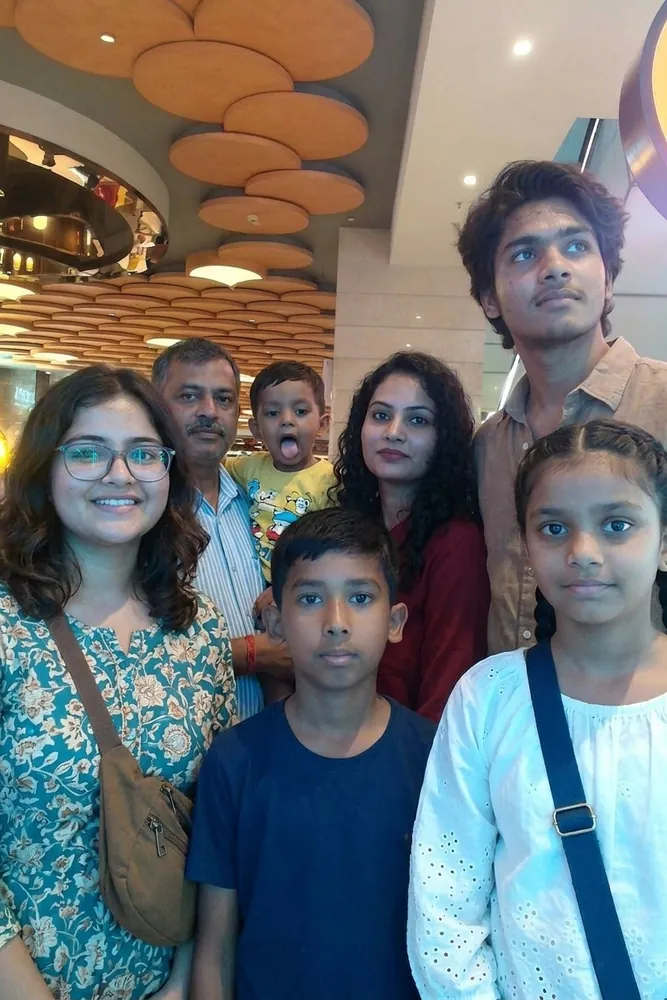
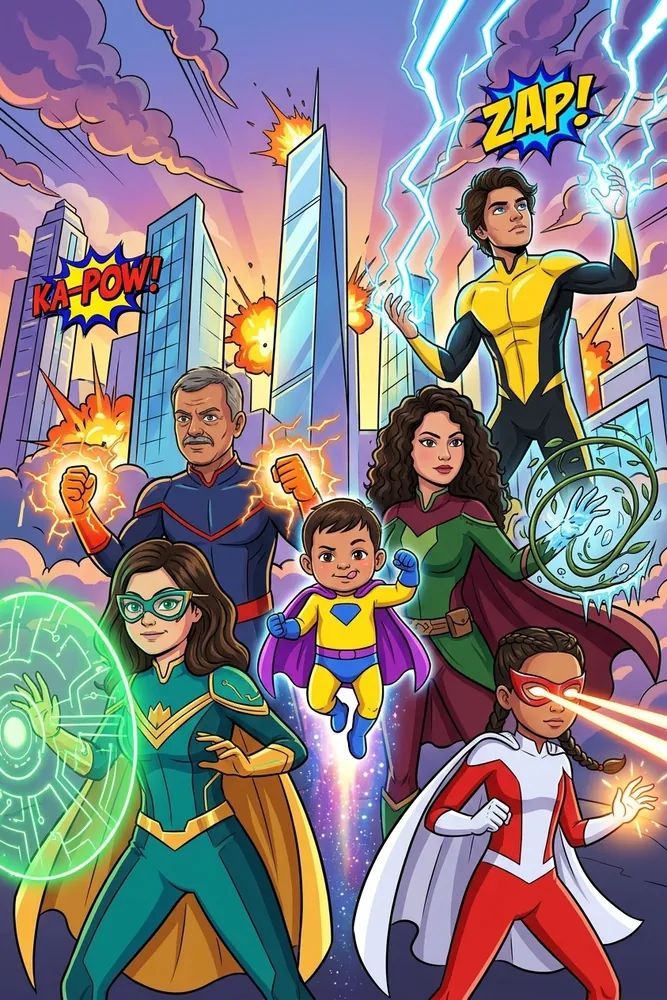
See What Pikcha AI Transformations Look Like
These are real outputs from Pikcha's built-in AI effects — 200+ transformations available on every unit, no custom development required.
Before
After — AI Transformed
Frequently Asked Questions
Is Snapbar a hardware product or a service?
Snapbar is primarily a software platform and managed service provider, not a hardware manufacturer. They create custom AI photo experiences for brand activations and corporate events, often providing the entire experience as a managed service — including hardware setup, event staffing, and post-event analytics. Some clients bring their own hardware; others rent through Snapbar or their partners. Pikcha, by contrast, is a hardware product you purchase and own outright.
Which is more cost-effective for running 20+ events per year?
At high event volumes, the economics strongly favor ownership. With Snapbar, every activation incurs a service fee — the more events you run, the more you pay. With Pikcha, the hardware purchase is a one-time cost. After that, your per-event cost is just consumables like print paper and ink. An operator running 20 or more events per year will typically recoup Pikcha hardware costs much faster than they would accumulate in ongoing Snapbar service fees.
Can Pikcha match Snapbar for enterprise brand activations?
Pikcha offers self-service branding and customization tools through its operator dashboard, including branded overlays, custom effect selection, and event-specific configurations. For most brand activations, this is more than sufficient. Where Snapbar has an edge is in deeply bespoke, one-off campaigns where the client wants an entirely custom AI experience built from scratch — think a unique quiz-to-portrait pipeline for a specific product launch. If your activations follow repeatable patterns with strong branding, Pikcha handles them well. If every campaign needs ground-up custom development, Snapbar is built for that.
Does Pikcha work without an internet connection?
Yes. Pikcha is designed to operate fully offline. The AI processing, photo capture, printing, and guest interaction all work without internet connectivity. This is a significant advantage for events in venues with unreliable Wi-Fi — hotel ballrooms, outdoor festivals, convention centers with overloaded networks, and remote locations. Snapbar is a cloud-based platform, so it requires a stable internet connection throughout the event.
Which is better for a photo booth rental business vs. a one-time brand activation?
For a photo booth rental business that serves multiple clients across many events, Pikcha is the stronger choice. You own the hardware, control the scheduling, customize the experience per client through your dashboard, and keep 100% of the revenue. Snapbar is better suited for brands running occasional high-budget activations where they want a turnkey managed service and are willing to pay a premium for someone else to handle everything. The distinction is operator-driven versus brand-driven.
The Verdict
Pikcha and Snapbar serve genuinely different customers, and the right choice is clear once you identify which category you fall into.
Choose Pikcha if you are a photo booth operator, venue owner, entertainment center, or event company that wants to own AI photo booth capability outright. You get 200+ AI effects, integrated commercial hardware, instant prints, offline operation, flexible payment integration, and zero recurring platform fees. Pikcha is built for businesses that run photo experiences regularly and want maximum control over their operations and economics.
Choose Snapbar if you are an enterprise brand running occasional, high-budget experiential marketing campaigns where you want a fully managed, deeply customized AI photo experience without owning or operating hardware. Snapbar excels at bespoke brand activations for Fortune 500 companies that need turnkey execution and white-glove service.
For most businesses in the photo booth industry — operators, venues, rental companies, and entertainment businesses — the ownership model that Pikcha offers delivers stronger long-term economics and greater operational independence. The hardware pays for itself, and every event after that is building your business on your terms.